
- Home
- About
- Services
- Service Areas
- Commercial Moving & Office Services in North Jersey
- Residential & Commercial Services in Central Jersey
- Residential & Commercial Services in North Brunswick, NJ
- Residential & Commercial Services in Edison, NJ
- Home Renovation & Property Services in East Brunswick, NJ
- Home Improvement & Commercial Services in Piscataway, NJ
- Commercial Moving & Office Services in New Brunswick, NJ
- Home Renovation & Property Services in Franklin Township, NJ
- Home Improvement & Commercial Services in South Brunswick, NJ
- Residential & Commercial Services in Woodbridge, NJ
- Home Renovation & Property Services in Princeton, NJ
- Blog
- Contact Us
- Home
- About
- Services
- Service Areas
- Commercial Moving & Office Services in North Jersey
- Residential & Commercial Services in Central Jersey
- Residential & Commercial Services in North Brunswick, NJ
- Residential & Commercial Services in Edison, NJ
- Home Renovation & Property Services in East Brunswick, NJ
- Home Improvement & Commercial Services in Piscataway, NJ
- Commercial Moving & Office Services in New Brunswick, NJ
- Home Renovation & Property Services in Franklin Township, NJ
- Home Improvement & Commercial Services in South Brunswick, NJ
- Residential & Commercial Services in Woodbridge, NJ
- Home Renovation & Property Services in Princeton, NJ
- Blog
- Contact Us
Call us
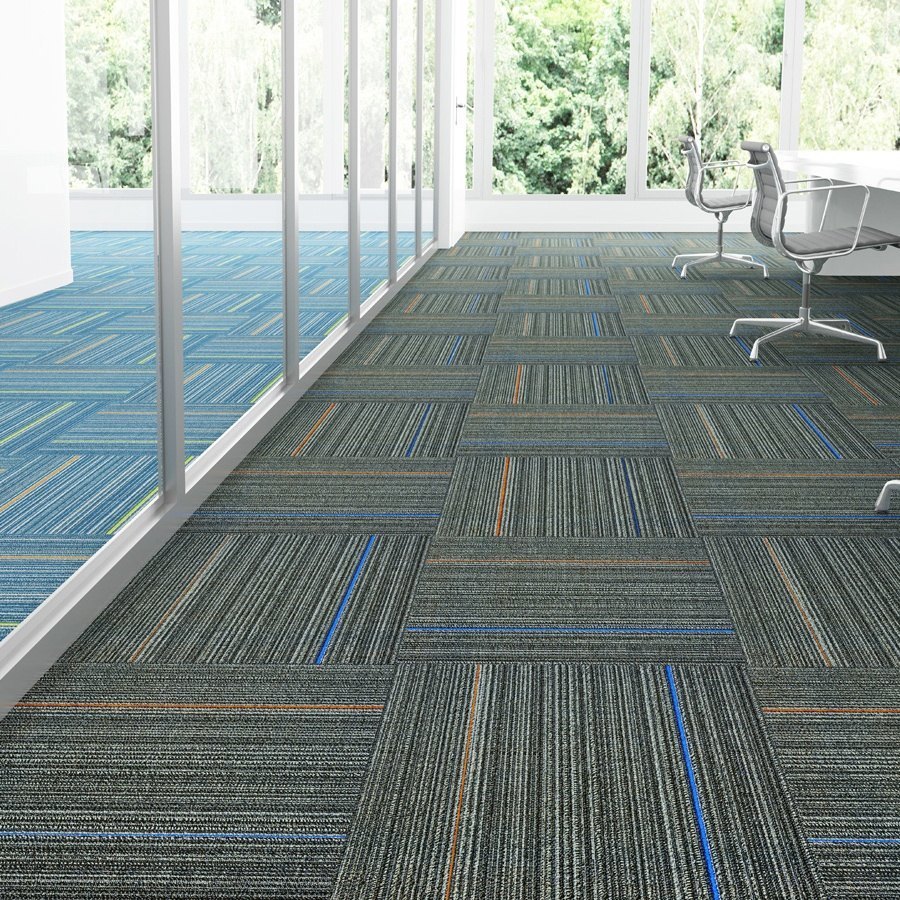
Tile can be a practical flooring option for kitchens, bathrooms, entryways and other residential or commercial spaces where durability, cleaning and moisture exposure are important considerations.
But a successful tile project depends on more than choosing a tile that looks good. The existing surface, tile size, layout, transitions, grout and preparation underneath all affect the finished installation.
Manova Services provides tile flooring installation, replacement, removal and preparation services for residential and commercial properties throughout New Jersey.
Tile Flooring Planned Around the Room
Different rooms create different conditions.
A bathroom floor needs to be planned differently from an entryway. A residential kitchen has different traffic and layout considerations than a commercial space, and larger-format tile can create different preparation requirements than smaller tile.
Before installation begins, we review the area, existing flooring, surface conditions and selected tile.
That helps determine what removal, preparation, layout and finishing work should be included in the project.
Tile Flooring Options
Porcelain Tile
Porcelain tile is available in many sizes, colors, textures and styles and may be considered for residential and commercial flooring projects.
Different porcelain products have different specifications, finishes and intended uses.
The selected tile should be appropriate for the room, expected traffic and installation conditions rather than choosing porcelain based only on the category name.
Ceramic Tile
Ceramic tile is another option for many interior flooring applications.
Products vary in durability, surface finish, size and intended use, so a tile approved for one application may not necessarily be appropriate for another.
The manufacturer’s specifications and the conditions of the room should be reviewed before the material is selected.
Natural Stone Tile
Natural stone products such as marble, slate and travertine can provide a different appearance from manufactured ceramic or porcelain tile.
Because natural materials vary, installation, sealing, maintenance and care requirements may also differ from one stone product to another.
The specific material should be reviewed before deciding whether natural stone is appropriate for the project.
Wood-Look & Stone-Look Tile
Porcelain and ceramic products are also available in designs intended to reproduce the appearance of wood, stone and other materials.
These products can provide different design options while retaining the characteristics of the selected tile system.
The decision should still be based on the room, surface conditions and product specifications rather than appearance alone.
Where Tile Flooring May Work
Bathrooms
Tile is frequently considered for bathroom floors because certain products and installation systems are designed for areas where water exposure is more likely.
The tile itself is only one part of the system.
The substrate, preparation, joints, transitions and any required moisture-management or waterproofing components should be considered before installation begins.
Kitchens
Kitchen flooring regularly experiences foot traffic, cleaning and everyday spills.
Tile may be an option depending on the product, existing surface, room layout and the transitions to surrounding flooring.
Entryways & Mudrooms
Entrance areas can experience dirt, moisture and concentrated foot traffic.
The tile finish, durability, maintenance requirements and layout should be considered according to how the space is used.
Laundry Areas
Laundry areas may also require flooring selected with potential water exposure and regular cleaning in mind.
Existing conditions should be reviewed before the finished material is installed.
Living Areas
Tile can also be used in living spaces when the homeowner prefers its appearance and characteristics.
Room size, furniture, adjoining flooring and comfort expectations should all be considered before choosing the material.
Commercial Spaces
Certain tile products may be appropriate for offices, entrances, restrooms, common areas and other commercial environments.
Commercial projects should consider expected traffic, cleaning, furniture, accessibility, business operations and the intended-use specifications of the selected tile.
Porcelain vs. Ceramic Tile
Porcelain and ceramic are related tile categories, but they should not simply be described as “good” and “better.”
The appropriate choice depends on the actual product and project.
Factors to consider may include:
- Intended floor application
- Expected foot traffic
- Exposure to moisture
- Tile size
- Surface finish
- Maintenance requirements
- Manufacturer specifications
- Existing substrate
- Installation requirements
- Desired appearance
Rather than choosing solely from the label “porcelain” or “ceramic,” compare the specifications of the products being considered.
Our Tile Flooring Process
1. Tell Us About the Project
We begin by learning which rooms are involved, what flooring currently exists and what type of tile you are considering.
Photos and approximate measurements can help during the initial discussion.
2. Review Existing Conditions
Depending on the project, the current flooring and surface underneath may need to be evaluated before the final scope is established.
This helps identify removal requirements, visible damage, uneven areas, transitions and other conditions that may affect tile installation.
3. Confirm the Tile
The tile size, material, finish and intended use should be reviewed before work begins.
If you have already purchased a product, provide the manufacturer and product information so its installation requirements can be considered.
4. Review the Substrate
Tile needs an appropriate supporting surface.
Movement, damage, uneven areas or other unsuitable conditions may require additional preparation before installation proceeds.
5. Plan the Layout
Tile layout affects the appearance of the finished floor.
Room dimensions, tile size, focal areas, doorways, walls and transitions can influence where cuts and joints will occur.
The layout should be considered before installation rather than decided only after tile begins going down.
6. Remove Existing Flooring
When included in the scope, approved existing flooring can be removed before preparation for the tile installation begins.
Conditions discovered after removal should be reviewed before additional work is performed.
7. Prepare the Surface
Preparation depends on the existing conditions, selected tile and installation system.
The required work should be based on what is actually found at the property.
8. Install the Tile
The approved tile is installed according to the agreed project scope and the requirements appropriate for the selected material and installation system.
9. Grout & Complete Finishing Details
Grout, transitions, perimeter details and other items included in the project are completed according to the layout and selected flooring system.
10. Final Review
After the flooring work is complete, the finished area is reviewed and any remaining items within the agreed scope are identified.
Why Surface Preparation Matters for Tile
Tile is a rigid finished surface, so movement or unsuitable conditions underneath can affect the installation.
Existing flooring can also hide issues that are not fully visible until removal begins.
Depending on the property, the surface may require cleaning, repairs, leveling or another preparation method appropriate for the tile system being installed.
The goal is not to promise a “perfectly flat floor every time.”
The goal is to evaluate the existing conditions and determine the preparation required for the selected flooring system.
Large-Format Tile & Floor Flatness
Larger tiles can place greater emphasis on the condition of the surface and the installation layout.
Variations that might be less noticeable with smaller tile can become more important as tile dimensions increase.
If you are considering large-format tile, provide the product dimensions during the initial project discussion so preparation and layout requirements can be evaluated before installation.
Tile Layout & Grout Lines
Grout lines are part of the overall design and installation of a tile floor.
Tile dimensions, room shape, pattern, joint width and surrounding walls can all influence how the finished layout looks.
Rather than promising “perfect grout lines,” the project should be planned around consistent layout and the requirements of the selected tile system.
Grout color can also affect the visual appearance of the finished floor and should be considered together with the tile.
Tile & Moisture-Prone Areas
Tile itself does not automatically make an entire room waterproof.
Bathrooms, laundry areas and other moisture-prone spaces can involve additional layers and components beyond the visible tile surface.
If waterproofing or another moisture-management system is required for the project, the exact system and scope should be established before installation begins.
An active leak or unresolved moisture problem should be addressed before it is covered with new flooring.
Tile Flooring in Bathrooms
Bathroom tile projects often overlap with other renovation work.
Depending on the project, flooring installation may need to be coordinated with demolition, plumbing, fixtures, walls, vanities or other remodeling stages.
If the tile floor is part of a larger bathroom renovation, tell us during the initial discussion so the flooring work can be considered within the complete project sequence.
Tile Flooring in Kitchens
Kitchen tile installation may require planning around cabinets, appliances, adjoining rooms and existing flooring.
Whether appliances or furniture need to be moved and how the new floor will meet surrounding surfaces should be established before the work begins.
For larger renovation projects, flooring should also be coordinated with the sequence of the other kitchen work.
Replacing Existing Tile
Removing existing tile can be more involved than removing some other flooring materials.
The amount of work depends on the tile, installation method, substrate and conditions underneath.
After removal, the underlying surface may require additional preparation before new tile can be installed.
Those conditions cannot always be fully determined while the existing flooring is still in place.
Can Damaged Tile Be Repaired?
A cracked or damaged tile does not automatically mean the entire floor needs replacement.
Localized repair may sometimes be possible depending on:
- Location of the damage
- Condition of surrounding tile
- Condition underneath
- Availability of matching material
- Original installation
- Grout and joint conditions
An exact match can be difficult when the original tile has been discontinued or has changed in appearance over time.
The existing floor should be evaluated before a repair is confirmed.
Tile Transitions to Other Flooring
Tile frequently meets hardwood, carpet, vinyl, laminate or another flooring material at doorways and adjoining rooms.
Differences in finished height should be considered before installation begins.
Planning transitions in advance can help create a more practical connection between the new tile and surrounding flooring.
Furniture, Appliances & Tile Installation
The installation area generally needs to be sufficiently cleared before tile work begins.
Depending on the project, approved furniture may need to be moved out of the affected area.
Kitchen or laundry projects may also involve appliances, while commercial spaces can contain desks, storage units or other equipment.
Responsibilities for moving these items should be established before the flooring project is scheduled.
Radiant Floor Heating & Tile
Tile is sometimes installed in projects that include radiant floor heating.
However, the heating system and electrical or hydronic work should not automatically be assumed to be part of a standard tile installation.
If your project includes existing or proposed radiant heating, tell us before the flooring scope is finalized.
The system, manufacturer requirements and responsibilities of any qualified electrical, plumbing or heating contractor should be established before tile installation begins.
Related Carpet & Flooring Services
Tile flooring projects may involve other services depending on the existing conditions and overall renovation.
Manova Services also provides:
If your tile project involves removal, repairs, furniture movement or additional preparation, tell us during the initial discussion so those stages can be evaluated together.
Tile Flooring Services Throughout New Jersey
Manova Services is based in North Brunswick and provides tile flooring services for residential and commercial properties throughout New Jersey.
Project availability depends on the location, tile product, size of the installation, existing conditions and related services required.
Tell us which rooms are involved, what flooring currently exists and what tile you are considering so we can review the initial project requirements.
Frequently Asked Questions About Tile Flooring
Does Manova Services install porcelain and ceramic tile?
Depending on the project, porcelain and ceramic tile installation may be available.
The selected product, intended use, substrate and installation requirements should be reviewed before the final scope is confirmed.
The selected product, intended use, substrate and installation requirements should be reviewed before the final scope is confirmed.
What is the difference between porcelain and ceramic tile?
Both are ceramic-based tile categories, but individual products can differ in manufacturing, absorption, durability, finish and intended use.
Compare the specifications of the actual tiles being considered rather than choosing based on the category name alone.
Compare the specifications of the actual tiles being considered rather than choosing based on the category name alone.
Can you install natural stone tile?
Natural stone tile may be considered depending on the material and project requirements.
Stone products can have different installation, sealing and maintenance requirements that should be reviewed beforehand.
Stone products can have different installation, sealing and maintenance requirements that should be reviewed beforehand.
Can tile be installed in a bathroom?
Yes, appropriate tile systems can be used for bathroom flooring.
The tile, substrate, preparation and any necessary moisture-management components should be considered together.
The tile, substrate, preparation and any necessary moisture-management components should be considered together.
Does tile make a bathroom waterproof?
No.
The visible tile surface alone should not be treated as the complete waterproofing system for a bathroom.
Any required waterproofing should be established as part of the complete project scope.
The visible tile surface alone should not be treated as the complete waterproofing system for a bathroom.
Any required waterproofing should be established as part of the complete project scope.
Can you install tile over existing flooring?
That depends on the existing material, condition, selected tile and installation requirements.
The existing floor should be evaluated before determining whether removal is necessary.
The existing floor should be evaluated before determining whether removal is necessary.
Can cracked tile be repaired?
Localized tile repair may sometimes be possible.
The condition underneath and availability of compatible replacement tile can affect whether the repair is practical.
The condition underneath and availability of compatible replacement tile can affect whether the repair is practical.
Does Manova level floors before installing tile?
Surface preparation depends on the existing conditions and selected tile system.
If leveling or another preparation method is required, that work should be identified as part of the project scope.
If leveling or another preparation method is required, that work should be identified as part of the project scope.
Can you install large-format tile?
Large-format tile projects may be considered depending on the product, layout and surface conditions.
Provide the tile dimensions before the project is finalized so installation requirements can be reviewed.
Provide the tile dimensions before the project is finalized so installation requirements can be reviewed.
Does Manova install radiant floor heating?
If a tile project includes radiant heating, the heating system and responsibilities need to be reviewed separately.
Do not assume electrical, plumbing or heating-system installation is included unless it has been specifically confirmed in the project scope.
Do not assume electrical, plumbing or heating-system installation is included unless it has been specifically confirmed in the project scope.
Can Manova remove our existing tile?
Existing tile removal may be included depending on the project.
The installation method and conditions underneath can affect the removal and preparation required.
The installation method and conditions underneath can affect the removal and preparation required.
Can I buy my own tile?
That may be possible.
Provide the manufacturer, product name, tile dimensions and product information before installation is finalized so the requirements can be reviewed.
Provide the manufacturer, product name, tile dimensions and product information before installation is finalized so the requirements can be reviewed.
Planning a Tile Flooring Project?
Tell us whether the project is residential or commercial, where the tile will be installed, what flooring currently exists and what tile product you are considering.
Manova Services can review the removal, preparation, installation and related flooring requirements for the project.