
- Home
- About
- Services
- Service Areas
- Commercial Moving & Office Services in North Jersey
- Residential & Commercial Services in Central Jersey
- Residential & Commercial Services in North Brunswick, NJ
- Residential & Commercial Services in Edison, NJ
- Home Renovation & Property Services in East Brunswick, NJ
- Home Improvement & Commercial Services in Piscataway, NJ
- Commercial Moving & Office Services in New Brunswick, NJ
- Home Renovation & Property Services in Franklin Township, NJ
- Home Improvement & Commercial Services in South Brunswick, NJ
- Residential & Commercial Services in Woodbridge, NJ
- Home Renovation & Property Services in Princeton, NJ
- Blog
- Contact Us
- Home
- About
- Services
- Service Areas
- Commercial Moving & Office Services in North Jersey
- Residential & Commercial Services in Central Jersey
- Residential & Commercial Services in North Brunswick, NJ
- Residential & Commercial Services in Edison, NJ
- Home Renovation & Property Services in East Brunswick, NJ
- Home Improvement & Commercial Services in Piscataway, NJ
- Commercial Moving & Office Services in New Brunswick, NJ
- Home Renovation & Property Services in Franklin Township, NJ
- Home Improvement & Commercial Services in South Brunswick, NJ
- Residential & Commercial Services in Woodbridge, NJ
- Home Renovation & Property Services in Princeton, NJ
- Blog
- Contact Us
Call us
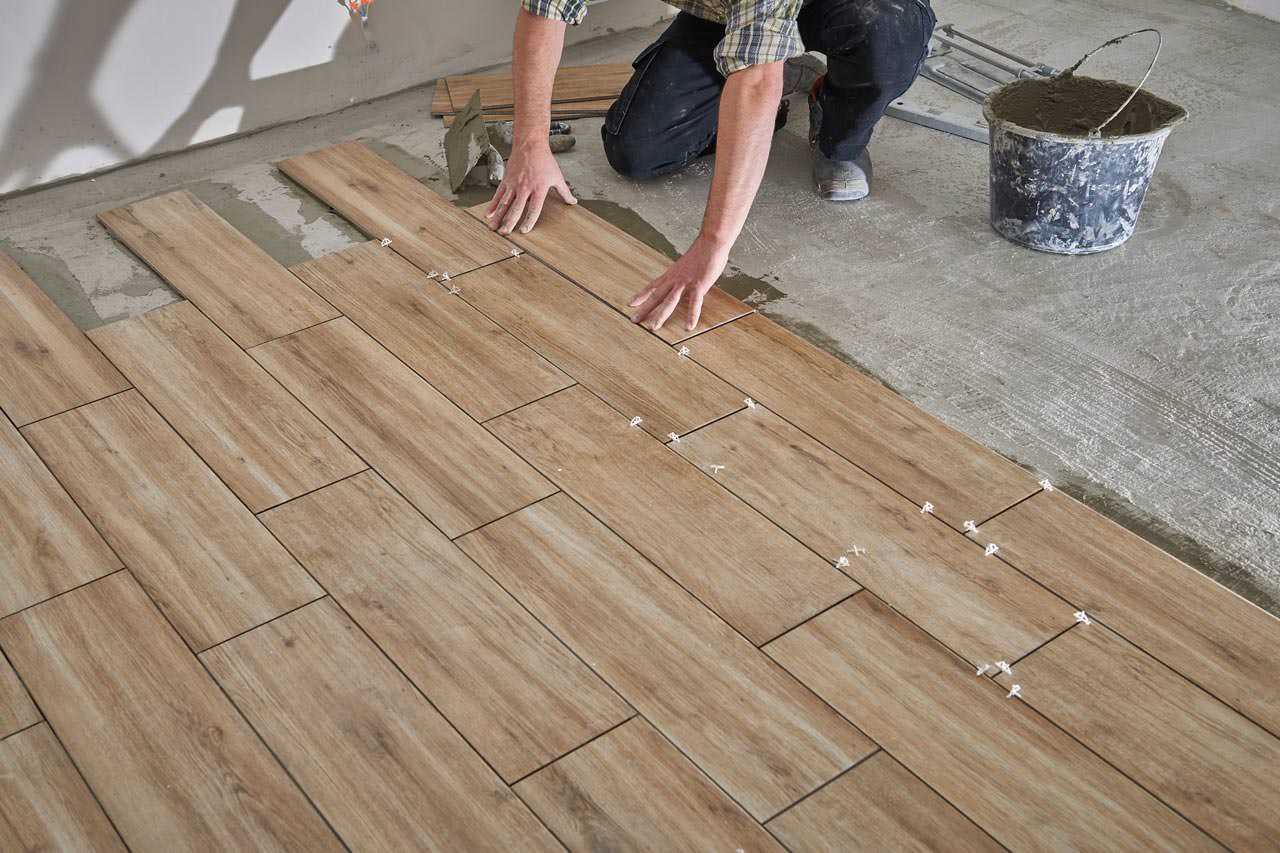
Removing an existing floor is often the first step toward installing something new, but different flooring materials require different approaches.
Carpet, hardwood, laminate, vinyl and tile can each involve different removal methods, adhesives, fasteners and conditions underneath. The amount of work also depends on the size of the area, accessibility and how the existing floor was originally installed.
Manova Services provides floor removal and disposal support for residential and commercial flooring projects throughout New Jersey. We review the existing material and what needs to happen after removal before establishing the project scope.
Floor Removal Is More Than Pulling Up the Old Material
Once the finished flooring comes out, the surface underneath becomes part of the project.
Old adhesive may remain. Tack strips, fasteners or underlayment may need attention. Tile removal can expose mortar or another installation layer. Other flooring may reveal damaged, uneven or previously repaired areas that were not visible before demolition began.
That is why removal and preparation should be considered together.
Before the new flooring is installed, the exposed surface should be evaluated to determine what additional preparation may be required.
Flooring Materials We Can Evaluate for Removal
Carpet Removal
Existing carpet may need to be removed along with padding and other approved installation materials before new flooring can be installed.
The project should consider the rooms involved, stairs when applicable, furniture and what flooring will be installed afterward.
Hardwood Flooring Removal
Hardwood removal requirements depend on the flooring construction and how the floor is attached.
Some projects may involve removing only a damaged section, while others may require a complete existing floor to come out before replacement.
The surface underneath should be evaluated after removal before the next flooring stage proceeds.
Laminate Flooring Removal
Laminate flooring can use different installation systems.
The removal process depends on the product, existing transitions and what is underneath the laminate.
Once removed, the exposed surface should be reviewed before another flooring product is installed.
Vinyl & LVT Removal
Vinyl, LVT and LVP products may use floating, click-lock, glue-down or other installation methods.
Removal requirements can therefore vary significantly.
Older or unidentified vinyl materials and adhesives should be reviewed before demolition begins when there is reason to believe specialized evaluation may be appropriate.
Tile Flooring Removal
Tile removal can require more demolition and surface preparation than some other flooring materials.
The tile, mortar or setting material, substrate and condition underneath all influence the work involved.
Additional preparation may be required after removal before another flooring system can be installed.
Our Floor Removal Process
1. Identify the Existing Flooring
We start by determining what flooring is currently installed and which areas need to be removed.
Photos, approximate dimensions and information about the age of the flooring can be useful during the initial discussion.
2. Review the Next Step
Removal should be planned around what will happen afterward.
Tell us whether the area will receive hardwood, carpet, laminate, vinyl, tile or another approved flooring product.
Knowing the next flooring system helps determine what condition the exposed surface needs to be in before installation.
3. Plan Furniture & Access
The affected area needs to be sufficiently clear before floor removal can begin.
Furniture, personal belongings, appliances, office equipment and access to surrounding rooms should be discussed before the project is scheduled.
4. Review the Existing Material
Before demolition begins, the flooring and installation method should be reviewed as much as reasonably possible.
Older, unidentified or unusual materials may require additional evaluation before they are disturbed.
5. Remove the Approved Flooring
The existing flooring included in the project scope is removed according to the material and conditions found.
6. Remove Approved Related Materials
Depending on the flooring system and agreed scope, removal may also include approved padding, tack strips, underlayment, fasteners or other installation materials.
7. Clear the Removed Flooring Materials
Removed materials included in the disposal scope are cleared from the work area and handled according to the arrangements established for the project.
8. Review the Exposed Surface
After removal, the substrate can be reviewed for visible conditions that may affect the next stage.
This may include remaining adhesive, uneven areas, damage, movement or possible moisture concerns.
9. Determine Additional Preparation
Removal does not automatically mean the surface is ready for new flooring.
Any additional preparation required should be identified before installation proceeds.
What Can Be Found After Flooring Is Removed?
An existing floor can hide conditions that are impossible to fully evaluate from above.
After removal, a project may reveal:
- Remaining adhesive or mortar
- Uneven areas
- Damaged underlayment
- Cracks
- Loose material
- Previous patches or repairs
- Movement in the supporting surface
- Signs that warrant further moisture evaluation
- Differences in floor height between rooms
Finding one of these conditions does not automatically mean there is a major problem.
It means the exposed surface should be evaluated before the new flooring is installed.
Planning Removal Around the New Flooring
Floor Removal Before Hardwood Installation
When hardwood will replace another flooring material, removal is only the first stage.
After the existing floor is removed, the substrate needs to be considered in relation to the selected hardwood product and installation method.
The condition, flatness, stability and any relevant moisture concerns can affect what preparation is appropriate before hardwood installation begins.
If Manova Services is also installing the new hardwood, tell us during the initial discussion so removal and installation can be planned as related stages.
Floor Removal Before Vinyl, LVT or Laminate
Floating and glue-down flooring systems can have different surface requirements.
After existing flooring is removed, adhesive residue, uneven areas or other conditions may need to be addressed depending on the new product.
Provide the manufacturer and product information for the replacement flooring whenever possible so preparation requirements can be considered before installation.
Tile Removal & Surface Preparation
Removing tile can expose mortar, backer material or another installation surface underneath.
The amount of additional work needed depends on what is found and what flooring will replace the tile.
A tile-removal estimate should therefore consider more than just the visible square footage.
Installation method, accessibility and the condition required for the next flooring system can all affect the scope.
Carpet Removal Before New Flooring
Removing carpet can expose a surface that has been covered for many years.
Once carpet and approved related materials are removed, the substrate can be reviewed before the replacement flooring is installed.
This is particularly important when the new material has different surface requirements than carpet.
For example, replacing carpet with hardwood, laminate, vinyl or tile may require preparation that was not relevant to the previous carpet installation.
Older & Unidentified Flooring Materials
The age and type of existing flooring should be considered before demolition begins.
Certain older flooring materials, adhesives or installation products can require specialized evaluation or handling.
If material is unidentified or there is another reason to believe additional testing may be appropriate, it should be evaluated before demolition rather than disturbed first and questioned afterward.
Manova Services can review the flooring scope and determine whether another appropriately qualified provider needs to become involved before removal continues.
Disposal Depends on the Material
“Floor disposal” should not imply that every removed material automatically goes through the same process.
The flooring material, quantity, local disposal requirements and any special handling needs can affect how removed material should be handled.
The disposal scope should therefore be established for the specific project.
Items or materials requiring specialized handling should be identified separately rather than assumed to be included with ordinary flooring debris.
Furniture Moving Before Floor Removal
Furniture is often one of the first practical questions homeowners and businesses have when replacing flooring.
Rooms generally need to be sufficiently cleared before demolition begins.
Depending on the project, Manova Services may be able to assist with moving approved furniture before floor removal and returning or repositioning it after the flooring work is ready.
Commercial projects may also involve workstations, office furniture, temporary staging or storage.
Tell us about the furniture during the initial discussion so it can be considered before the flooring schedule is finalized.
Floor Removal in Occupied Homes
Flooring replacement often happens while the homeowner is still living in the property.
Removal can affect:
- Access between rooms
- Furniture placement
- Household routines
- Pets and children
- Noise
- Dust and debris
- The sequence in which rooms can be completed
The affected areas and project sequence should be discussed before work begins.
For larger projects, completing removal and installation in stages may sometimes be more practical depending on the flooring and layout.
Commercial Floor Removal
Commercial floor removal often requires additional scheduling considerations.
An office, retail space or other business may need to remain partially operational while flooring work is completed.
Before scheduling the removal, businesses should identify:
- Operating hours
- Areas that must remain accessible
- Furniture and workstations
- Customer or employee traffic
- Loading and building access
- Elevator requirements when applicable
- Other contractors working in the property
- Installation schedule for the replacement flooring
When the project allows it, removal and installation may sometimes be planned in phases.
Removal Does Not Automatically Include Subfloor Repair
This distinction should be clear.
Floor removal exposes the surface underneath, but it does not mean every condition discovered there is automatically included in the original removal price.
If the exposed substrate requires repairs, leveling, additional adhesive removal, moisture evaluation or another preparation service, that work should be reviewed and added to the project scope when necessary.
This protects both the client and contractor from pretending that hidden conditions could have been fully known before demolition.
Floor Removal as Part of a Complete Flooring Project
Floor removal usually makes the most sense when it connects directly to what happens next.
A complete flooring project may involve:
Existing Flooring → Removal → Surface Review → Preparation → New Flooring Installation → Transitions & Finishing
When Manova Services is handling several of those stages, tell us about the complete flooring project from the beginning.
That allows removal requirements to be considered alongside the material that will ultimately be installed.
Related Carpet & Flooring Services
Manova Services also provides:
If the project involves both removal and new flooring installation, discuss the complete scope during the initial estimate.
Floor Removal & Disposal Throughout New Jersey
Manova Services is based in North Brunswick and provides floor removal and related flooring services for residential and commercial properties in New Jersey.
Project requirements depend on the existing flooring material, size of the area, accessibility, disposal requirements and what flooring will be installed afterward.
Tell us what flooring is currently in the space, approximately how much needs to be removed and what you plan to install next so we can review the project.
Frequently Asked Questions About Floor Removal & Disposal
What types of flooring can Manova remove?
Depending on the project, removal may be evaluated for carpet, hardwood, laminate, vinyl, LVT, tile and other approved flooring materials.
The installation method and existing conditions affect the removal scope.
The installation method and existing conditions affect the removal scope.
Can you remove carpet and padding?
Carpet removal may include approved padding and related installation materials depending on the agreed scope.
Can you remove tile flooring?
Tile removal may be available.
Tile, mortar, substrate and the flooring being installed afterward should all be considered when defining the project.
Tile, mortar, substrate and the flooring being installed afterward should all be considered when defining the project.
Can you remove glued-down vinyl or LVT?
Glue-down flooring may be removable, but the adhesive and condition underneath can create additional preparation requirements.
The existing product should be reviewed before the work is finalized.
The existing product should be reviewed before the work is finalized.
Do you dispose of the old flooring?
Disposal of approved removed flooring materials may be included depending on the project scope.
The material, quantity and any special handling requirements should be established beforehand.
The material, quantity and any special handling requirements should be established beforehand.
Is disposal included in the removal estimate?
That should be clearly established in the estimate.
The project should specify whether removal, loading, transportation and disposal of approved materials are included rather than relying on assumptions.
The project should specify whether removal, loading, transportation and disposal of approved materials are included rather than relying on assumptions.
Will the floor be ready for new flooring immediately after removal?
Not necessarily.
Removal can expose adhesive, damage, uneven surfaces or other conditions requiring additional preparation before new flooring can be installed.
Removal can expose adhesive, damage, uneven surfaces or other conditions requiring additional preparation before new flooring can be installed.
Do you repair the subfloor after removing the flooring?
Subfloor preparation or repair may be available as a separate related service depending on the conditions found.
It should not automatically be assumed to be included in standard floor removal.
It should not automatically be assumed to be included in standard floor removal.
Can you move furniture before removing the floor?
Furniture moving may be available depending on the project.
Tell us what is in the affected areas before scheduling the work.
Tell us what is in the affected areas before scheduling the work.
Can you remove flooring in an occupied office?
Possibly.
Commercial floor removal can sometimes be planned around business operations or completed in phases depending on the property, flooring and schedule.
Commercial floor removal can sometimes be planned around business operations or completed in phases depending on the property, flooring and schedule.
What happens if you discover an unknown material underneath?
If an unidentified material may require specialized evaluation or handling, work in the affected area should be reviewed before proceeding.
Another qualified provider may be required depending on the material and circumstances.
Another qualified provider may be required depending on the material and circumstances.
Can removal and new flooring installation be included in the same project?
Yes, depending on the project.
Removal, preparation and new flooring installation can be evaluated together so the different stages are planned around the final flooring system.
Removal, preparation and new flooring installation can be evaluated together so the different stages are planned around the final flooring system.
Need Existing Flooring Removed?
Tell us what flooring is currently installed, which rooms or commercial areas are involved and what you plan to install afterward.
Manova Services can review the removal, disposal, surface preparation and related flooring requirements for the project.