
- Home
- About
- Services
- Service Areas
- Commercial Moving & Office Services in North Jersey
- Residential & Commercial Services in Central Jersey
- Residential & Commercial Services in North Brunswick, NJ
- Residential & Commercial Services in Edison, NJ
- Home Renovation & Property Services in East Brunswick, NJ
- Home Improvement & Commercial Services in Piscataway, NJ
- Commercial Moving & Office Services in New Brunswick, NJ
- Home Renovation & Property Services in Franklin Township, NJ
- Home Improvement & Commercial Services in South Brunswick, NJ
- Residential & Commercial Services in Woodbridge, NJ
- Home Renovation & Property Services in Princeton, NJ
- Blog
- Contact Us
- Home
- About
- Services
- Service Areas
- Commercial Moving & Office Services in North Jersey
- Residential & Commercial Services in Central Jersey
- Residential & Commercial Services in North Brunswick, NJ
- Residential & Commercial Services in Edison, NJ
- Home Renovation & Property Services in East Brunswick, NJ
- Home Improvement & Commercial Services in Piscataway, NJ
- Commercial Moving & Office Services in New Brunswick, NJ
- Home Renovation & Property Services in Franklin Township, NJ
- Home Improvement & Commercial Services in South Brunswick, NJ
- Residential & Commercial Services in Woodbridge, NJ
- Home Renovation & Property Services in Princeton, NJ
- Blog
- Contact Us
Call us
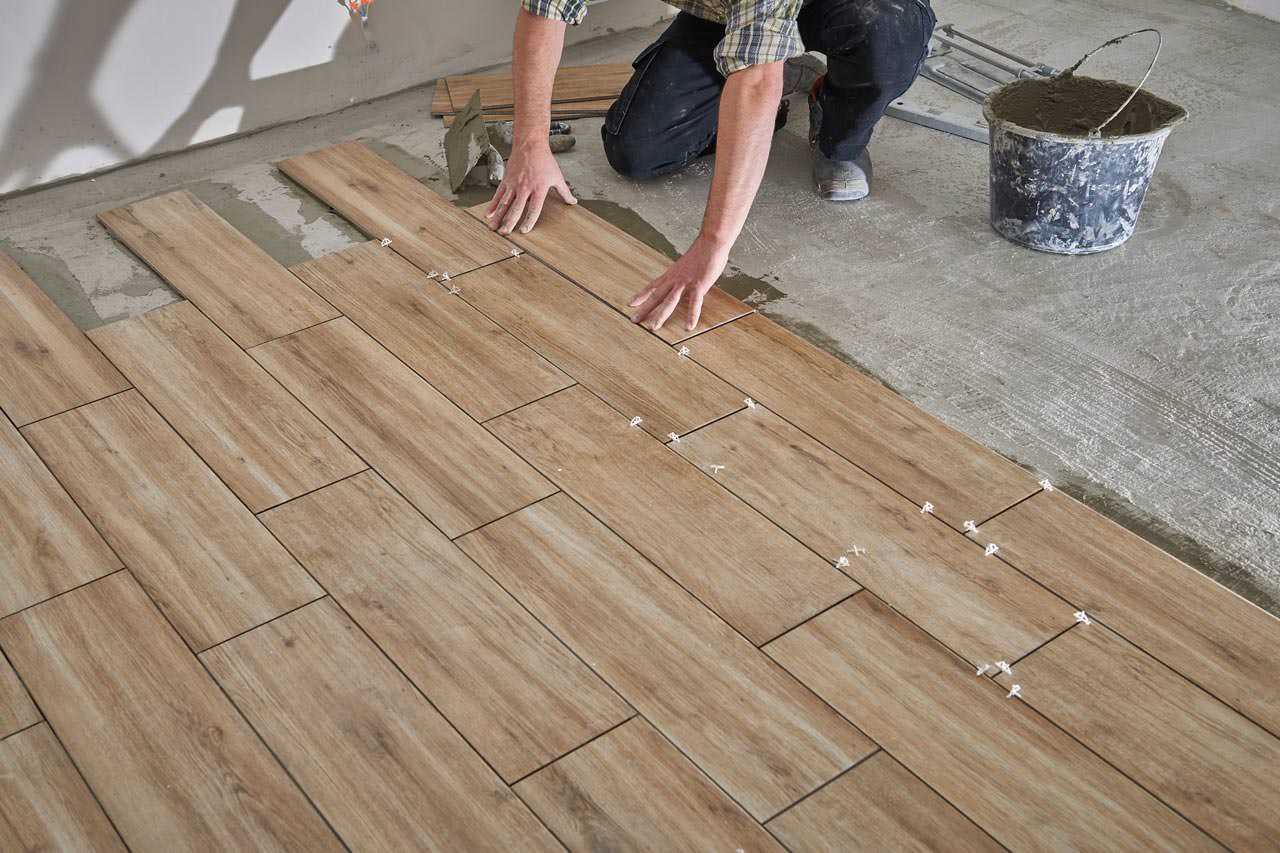
Vinyl flooring has become a practical option for many homes and commercial spaces because it is available in a wide range of appearances, constructions and installation systems. But not every vinyl or luxury vinyl product performs the same way.
The room, amount of traffic, exposure to moisture, existing surface and manufacturer requirements should all be considered before a product is selected.
Manova Services provides vinyl and luxury vinyl flooring installation, removal and preparation services for residential and commercial properties throughout New Jersey.
Vinyl Flooring Selected for the Way the Space Is Used
A flooring product should make sense for the room where it will actually be installed.
A family living area may have different priorities than a bathroom, basement, office or commercial entrance. Even two products that look almost identical may have different construction, wear layers, installation methods and limitations.
Before installation begins, we review the existing flooring, surface conditions, room use and the vinyl product being considered.
That helps determine the removal, preparation and installation requirements for the project.
Understanding Vinyl, LVT & LVP
The terms used for vinyl flooring can sometimes be confusing.
Vinyl Flooring
Vinyl is a broad flooring category that includes different products, constructions and installation systems.
Depending on the product, vinyl flooring may be available in sheets, tiles or planks and may be designed for different residential or commercial uses.
The actual manufacturer specifications should be reviewed before deciding where a particular product should be installed.
Luxury Vinyl Tile — LVT
Luxury vinyl tile, commonly called LVT, is generally produced in individual pieces designed to reproduce the appearance of materials such as stone, tile or wood.
Different LVT products can vary considerably in construction, thickness, wear layer and installation method.
Luxury Vinyl Plank — LVP
Luxury vinyl plank, or LVP, generally refers to vinyl flooring manufactured in plank formats, often with wood-inspired visuals.
Like LVT, products vary considerably, so the name alone does not determine how durable, water resistant or appropriate the flooring will be for a particular property.
Where Vinyl & LVT May Work
Kitchens
Vinyl and LVT may be considered for kitchens where everyday cleaning and the possibility of spills are important considerations.
The selected product, installation system and conditions underneath should still be reviewed before installation.
Bathrooms
Certain vinyl flooring products may be appropriate for bathroom floors when the product and installation method are approved for that type of environment.
Water-resistant or waterproof marketing claims should always be reviewed against the manufacturer’s actual instructions.
An unresolved leak or moisture problem should never simply be covered with new flooring.
Living Rooms & Family Areas
Vinyl plank flooring may provide homeowners with a variety of wood-inspired appearances for living rooms and family spaces.
Product selection should consider foot traffic, furniture, maintenance and how the flooring will transition into adjoining rooms.
Basements
Vinyl is frequently considered for finished basements, but the slab or subfloor conditions still matter.
Known or suspected moisture concerns should be evaluated before flooring is installed, regardless of how the finished product is marketed.
Entryways & Hallways
Entrances and hallways can experience frequent traffic, dirt and moisture carried in from outside.
The flooring product should be selected with those everyday conditions in mind.
Offices & Commercial Spaces
LVT and vinyl may also be considered for offices, retail areas and other commercial spaces.
Commercial projects should account for expected traffic, maintenance, furniture, rolling chairs, business operations and the manufacturer’s intended-use classification for the product.
Glue-Down vs. Floating Vinyl Flooring
Vinyl flooring can be installed using different methods depending on the product.
Floating or Click-Lock Flooring
Some vinyl plank and tile products use locking systems that allow the flooring to be assembled as a floating floor.
The substrate still needs to meet the requirements established for the flooring product.
Glue-Down Flooring
Other vinyl products are installed using adhesive.
Surface preparation is especially important because irregularities or remaining material underneath may affect the finished installation.
The appropriate method is determined by the flooring product rather than simply choosing whichever installation method seems easier.
Our Vinyl & LVT Flooring Process
1. Tell Us About the Project
We begin by learning which rooms are involved, what flooring currently exists and what type of vinyl or LVT you are considering.
Photos and approximate dimensions can help during the initial discussion.
2. Review Existing Conditions
Depending on the project, the existing flooring and surface underneath may need to be evaluated before the final installation scope is established.
This can identify removal requirements, visible damage, transitions, uneven areas or possible moisture concerns.
3. Confirm the Flooring Product
Before installation, the exact manufacturer and product should be identified.
Construction, thickness, installation method, intended use and manufacturer requirements can affect how the project should be completed.
If you already purchased the material, provide the product information before installation is scheduled.
4. Evaluate the Substrate
The surface supporting the new flooring should meet the requirements of the selected vinyl system.
Uneven areas, damaged sections, residue or other conditions may require additional preparation.
5. Plan Furniture & Access
Affected rooms generally need to be sufficiently cleared before removal and installation.
Furniture movement, household access or commercial operations should be discussed before the work begins.
6. Remove Existing Flooring
When included in the scope, approved existing flooring can be removed before preparation for the new flooring begins.
Conditions discovered after removal should be reviewed before additional work is performed.
7. Prepare the Surface
Preparation requirements depend on the substrate, existing conditions and selected flooring system.
The work should be based on what is actually found rather than assuming that every vinyl project requires the same preparation.
8. Install the Vinyl or LVT
The approved flooring is installed according to the agreed project scope and the requirements appropriate for the selected product.
9. Complete Transitions & Finishing Details
Doorways, transitions between rooms, perimeter details and other finishing items included in the project are completed as part of the installation.
10. Final Review
After installation is complete, the finished flooring is reviewed and any remaining items within the agreed project scope are identified.
Waterproof vs. Water Resistant: Why the Product Matters
Terms such as “waterproof” and “water resistant” are frequently used when vinyl flooring is marketed.
Those descriptions should not replace the manufacturer’s actual installation and maintenance instructions.
A flooring product may be designed to resist water at its surface while the surrounding construction, seams, walls or substrate can still be affected by leaks or ongoing moisture.
New flooring should never be treated as a solution to an unresolved water problem.
If moisture concerns exist, they should be evaluated before installation.
Vinyl Flooring & Subfloor Preparation
A new vinyl floor may look smooth on top, but the condition underneath can affect the finished result.
Depending on the flooring system, uneven areas, damaged surfaces, debris, remaining adhesive or other imperfections may need to be addressed before installation.
This can be especially important with certain thinner flooring products or glue-down systems.
The required preparation should be based on the specific product and substrate.
Vinyl Flooring in Basements
Basements create questions that should be answered before flooring is selected.
The slab or subfloor should be considered along with any history of moisture, leaks or water intrusion.
Vinyl may be appropriate for many finished basement projects, but a flooring product should not be treated as a substitute for resolving an existing property issue.
When moisture evaluation is appropriate, it should be completed before the flooring project proceeds.
Vinyl vs. Laminate Flooring
Vinyl and laminate can both be available in wood-inspired styles, but their construction is different.
Vinyl products are primarily manufactured using synthetic layers, while laminate generally uses a different layered core construction beneath its decorative surface.
Their response to moisture, installation requirements and product specifications can differ.
The better choice depends on the room, property conditions, expected use and specific products being compared.
Vinyl vs. Hardwood Flooring
Vinyl plank may reproduce the appearance of hardwood, but it is not hardwood.
Hardwood uses real wood as the flooring surface and may provide different repair, refinishing and maintenance options.
Vinyl can offer a different combination of installation choices, maintenance requirements and resistance characteristics.
Instead of treating one as universally better, the decision should reflect what the client wants from the room and what the property can support.
Replacing Existing Vinyl Flooring
Older vinyl flooring may need replacement because of wear, damaged sections, movement, water exposure, outdated appearance or other conditions.
Before replacement, the existing flooring and installation method should be reviewed.
The surface underneath may also need additional preparation after the old material is removed.
Older or unknown flooring materials and adhesives may require additional evaluation before removal begins.
Important Considerations With Older Flooring Materials
The age and type of existing flooring should be considered before demolition or removal begins.
Certain older flooring materials or adhesives can require specialized testing or handling.
If the existing material is unknown or there is reason to believe specialized evaluation is appropriate, that should be addressed before removal rather than disturbing the material without knowing what it is.
Manova Services can review the flooring project and determine whether another qualified provider should be involved before removal continues.
Vinyl Flooring for Homes With Pets & Active Households
Vinyl flooring is often considered by households looking for easier everyday cleaning and products designed for regular traffic.
However, no flooring is completely immune to scratches, dents, moisture or wear.
Pets, furniture, footwear and household activity can all affect a finished floor.
Rather than relying on labels such as “pet-proof,” clients should review the wear specifications, maintenance instructions and warranty requirements of the actual flooring product.
Furniture Moving & Vinyl Installation
Furniture generally needs to be moved out of the immediate installation area before flooring work can begin.
Depending on the project, Manova Services may be able to assist with moving approved furniture before installation and returning it after the flooring work is ready.
For commercial spaces, that may also involve workstations, office furniture, temporary staging or completing the flooring in phases.
Tell us about furniture requirements during the initial project discussion so they can be included in the planning process.
Vinyl & LVT for Commercial Properties
Commercial vinyl flooring projects should be evaluated differently from a small residential installation.
Factors may include:
- Expected foot traffic
- Business operating hours
- Cleaning and maintenance
- Furniture and rolling equipment
- Customer and employee access
- Existing flooring removal
- Substrate preparation
- Installation method
- Product’s commercial-use rating
- Project schedule The selected flooring should be appropriate for the intended commercial environment rather than using a residential product simply because the appearance is similar.
Related Carpet & Flooring Services
Vinyl and LVT projects may require additional flooring services depending on the property and existing conditions.
Manova Services also provides:
- Residential Flooring
- Commercial Flooring
- Carpet Installation
- Hardwood Flooring
- Laminate Flooring
- Tile Flooring
- Floor Repair & Restoration
- Floor Removal & Disposal
- Subfloor Preparation & Moisture Evaluation If your project involves removal, repairs, furniture movement or additional surface preparation, tell us during the initial discussion so those requirements can be reviewed together.
Vinyl & LVT Flooring Services Throughout New Jersey
Manova Services is based in North Brunswick and provides vinyl, LVT and related flooring services for residential and commercial properties throughout New Jersey.
Project availability depends on the location, flooring product, size of the installation, existing conditions and services required.
Tell us which rooms are involved, what flooring is currently installed and whether you already have a vinyl or LVT product selected so we can review the initial project requirements.
Frequently Asked Questions About Vinyl & LVT Flooring
What is the difference between LVT and LVP?
LVT generally refers to luxury vinyl flooring produced in tile formats, while LVP typically refers to luxury vinyl flooring produced in plank formats.
The construction and specifications can still vary significantly between products.
Is vinyl flooring waterproof?
Some vinyl products are marketed as waterproof, but the manufacturer's actual specifications and limitations should always be reviewed.
A waterproof flooring product does not make the surrounding property waterproof or solve an existing moisture problem.
Can vinyl flooring be installed in a bathroom?
Certain vinyl products may be suitable for bathroom floors when approved for that use and installed according to the appropriate requirements.
The product and room conditions should be reviewed before installation.
Is LVT good for basements?
LVT or vinyl may be appropriate for many finished basement projects, but existing slab or subfloor conditions and possible moisture concerns should be considered first.
What is better, vinyl or laminate?
There is no single answer for every property.
Vinyl and laminate have different construction, moisture characteristics and installation requirements. The better choice depends on the room and specific products being compared.
Can vinyl look like hardwood?
Many vinyl plank products are designed with wood-inspired visuals, but vinyl remains a different flooring material from real hardwood.
Can you install vinyl over existing flooring?
That depends on the existing material, condition, selected vinyl product and manufacturer requirements.
The existing floor should be reviewed before deciding whether removal is necessary.
Can damaged vinyl planks or tiles be replaced?
Localized replacement may be possible depending on the installation system, location of the damage and availability of matching material.
The existing floor should be evaluated before a repair is confirmed.
Can Manova remove existing flooring?
Existing flooring removal may be included depending on the material and project scope.
Older or unknown flooring materials may require additional evaluation before removal.
Can Manova move furniture before vinyl installation?
Furniture moving may be available depending on the project.
Tell us what furniture is in the affected areas so those requirements can be considered while the work is planned.
Can I purchase my own LVT or vinyl flooring?
That may be possible.
Provide the manufacturer, product name and installation information before the project is finalized so the requirements can be reviewed.
Does Manova install commercial LVT?
Commercial LVT installation may be evaluated depending on the property, flooring product, intended use and project requirements.
The selected material should be approved for the type of commercial environment where it will be installed.
Considering Vinyl or LVT for Your Property?
Tell us whether the project is residential or commercial, which rooms are involved, what flooring currently exists and what vinyl or LVT product you are considering.
Manova Services can review the project and help determine the installation, removal, preparation and related flooring services required.