
- Home
- About
- Services
- Service Areas
- Commercial Moving & Office Services in North Jersey
- Residential & Commercial Services in Central Jersey
- Residential & Commercial Services in North Brunswick, NJ
- Residential & Commercial Services in Edison, NJ
- Home Renovation & Property Services in East Brunswick, NJ
- Home Improvement & Commercial Services in Piscataway, NJ
- Commercial Moving & Office Services in New Brunswick, NJ
- Home Renovation & Property Services in Franklin Township, NJ
- Home Improvement & Commercial Services in South Brunswick, NJ
- Residential & Commercial Services in Woodbridge, NJ
- Home Renovation & Property Services in Princeton, NJ
- Blog
- Contact Us
- Home
- About
- Services
- Service Areas
- Commercial Moving & Office Services in North Jersey
- Residential & Commercial Services in Central Jersey
- Residential & Commercial Services in North Brunswick, NJ
- Residential & Commercial Services in Edison, NJ
- Home Renovation & Property Services in East Brunswick, NJ
- Home Improvement & Commercial Services in Piscataway, NJ
- Commercial Moving & Office Services in New Brunswick, NJ
- Home Renovation & Property Services in Franklin Township, NJ
- Home Improvement & Commercial Services in South Brunswick, NJ
- Residential & Commercial Services in Woodbridge, NJ
- Home Renovation & Property Services in Princeton, NJ
- Blog
- Contact Us
Call us
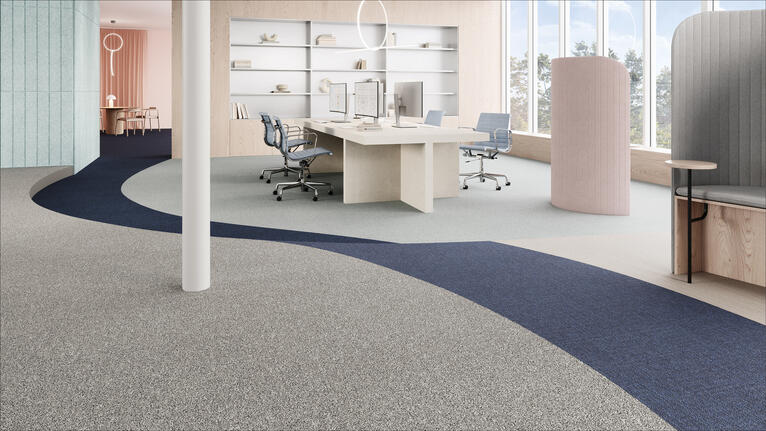
Commercial flooring has to do more than look good. It needs to make sense for the amount of foot traffic, maintenance routine, daily operations and type of business using the space.
Manova Services provides commercial flooring services for businesses and commercial properties throughout New Jersey. We help clients evaluate the existing floor, removal and preparation requirements, flooring options and the schedule needed to complete the work with as little unnecessary disruption as possible.
Whether the project involves one office, several rooms or a larger commercial space, we begin by understanding how the property is used and what the new flooring needs to accomplish.
Flooring Planned Around the Way Your Business Uses the Space
A flooring material that works well in a private office may not be the right choice for a busy entrance, hallway, break room or customer-facing area.
Before selecting a floor, it is important to consider how many people use the space, how often it is cleaned, whether spills or moisture are common and how much access the business needs to maintain while the work is underway.
The existing floor and surface underneath also matter.
If flooring needs to be removed, furniture needs to be moved or the substrate requires preparation, those stages should be included in the project plan before installation begins.
Commercial Flooring Options
Carpet & Carpet Tile
Carpet can provide a softer surface and help reduce sound in offices, meeting rooms and other workplace areas.
Carpet tile can also offer flexibility in commercial environments because individual sections may be easier to access or replace when appropriate for the flooring system.
The right carpet product depends on expected traffic, maintenance requirements, appearance and the condition of the surface underneath.
Luxury Vinyl Tile & Vinyl Flooring
LVT and other vinyl flooring options are commonly considered for commercial areas where easy maintenance and everyday durability are priorities.
Available products vary in construction, wear layer, appearance and installation requirements, so the material should be evaluated according to the specific property rather than assuming all vinyl flooring performs the same way.
Tile Flooring
Tile can be appropriate for entrances, restrooms, common areas and other commercial spaces where moisture resistance and regular cleaning may be important.
The condition and preparation of the substrate, layout, transitions and selected tile all affect the installation scope.
Laminate Flooring
Laminate may be considered for certain commercial environments where clients want a wood-inspired appearance with straightforward maintenance.
Whether it is appropriate depends on the specific product, expected traffic, moisture exposure and manufacturer requirements.
Hardwood & Wood-Look Flooring
Wood and wood-look flooring may be used in professional offices, reception areas and other spaces where appearance is an important part of the finished environment.
The appropriate material depends on how the area is used, maintenance expectations and the existing property conditions.
Commercial Spaces We Can Work With
Offices & Professional Workspaces
Office flooring projects may involve private offices, workstations, conference rooms, reception areas, hallways and shared spaces.
When the office remains occupied during the project, furniture movement, employee access and scheduling should be considered before installation begins.
Retail & Customer-Facing Areas
Flooring in customer-facing spaces needs to balance appearance with the realities of regular foot traffic and cleaning.
The project should also consider when the business can provide access for removal and installation.
Common Areas & Shared Spaces
Hallways, waiting areas, break rooms and other shared spaces can experience different levels of traffic and use.
Material selection should reflect the conditions of each area instead of automatically using the same flooring throughout the entire property.
Tenant Improvements & Office Updates
New tenants, businesses changing layouts or property owners preparing a commercial space may need existing flooring removed and replaced as part of a larger improvement project.
Flooring work can be coordinated with furniture moving, office relocation or other approved services when those stages overlap.
Our Commercial Flooring Process
1. Tell Us About the Property
We start by learning about the type of business, areas involved, existing flooring and the result you are trying to achieve.
If the business must remain operational during the project, tell us that from the beginning.
2. Review Existing Conditions
Depending on the project, the existing flooring and substrate may need to be evaluated before the final scope is established.
This helps identify removal, preparation, visible damage, transitions and other conditions that may affect installation.
3. Discuss Flooring Options
Flooring choices should be reviewed according to traffic, maintenance, appearance, moisture exposure, project budget and installation requirements.
If a product has already been selected, provide the manufacturer and product information so its installation requirements can be reviewed.
4. Plan Furniture & Access
Commercial flooring often requires desks, workstations, shelving or other furniture to be moved before work can begin.
The project should identify what needs to be moved, who is responsible for moving it and when the area needs to be available again.
5. Remove Existing Flooring
When included in the scope, approved existing flooring can be removed before the new installation.
Conditions discovered after removal should be reviewed before additional preparation or repair work is performed.
6. Prepare the Surface
The substrate may require cleaning, removal of remaining adhesive, repairs, leveling or additional evaluation depending on the existing conditions and selected flooring system.
Preparation requirements vary by project.
7. Install the New Flooring
The selected flooring is installed according to the project scope and appropriate installation requirements for the material.
8. Complete Transitions & Finishing Details
Doorways, flooring transitions, perimeter details and other finishing items included in the scope are addressed before the project is completed.
9. Final Review
The completed area is reviewed and any remaining items included in the agreed flooring scope are identified.
Minimizing Disruption to Business Operations
Replacing flooring inside an active commercial property requires more coordination than working in an empty room.
Employees may need access to part of the building. Customers may still be entering the property. Furniture may have to move between areas, and certain spaces may need to be returned to service before work begins elsewhere.
For that reason, commercial flooring projects may need to be completed in stages when the property and project allow it.
Before work begins, businesses should identify:
- Areas that must remain accessible
- Normal operating hours
- Furniture that needs to be moved
- Rooms that can be closed temporarily
- Building access restrictions
- Desired completion dates
- Other contractors working in the space
- Any areas that need to be completed first The appropriate schedule depends on the flooring material, size of the project and conditions of the property.
Furniture Moving & Commercial Flooring
Furniture can be one of the biggest logistical parts of replacing flooring in an occupied office.
Desks, chairs, conference tables, workstations and storage furniture may need to be removed from the installation area before the existing flooring can be taken up.
Because Manova Services also provides commercial moving and office furniture services, furniture requirements can be discussed as part of the flooring project when appropriate.
Depending on the scope, the project may involve moving furniture to another area, temporary storage, disassembly and reassembly, or returning furniture after the flooring is ready.
These requirements should be identified before the flooring schedule is finalized.
Why Floor Preparation Matters in Commercial Spaces
Installing new flooring over an unsuitable surface can create problems regardless of how good the finished material is.
After existing flooring is removed, the substrate may reveal adhesive residue, uneven areas, damage or other conditions that were not fully visible beforehand.
Some projects may also require moisture evaluation or other preparation based on the substrate and flooring system being installed.
The preparation required should be determined from the actual conditions found at the property rather than assuming every commercial floor needs the same treatment.
Replacing Flooring in Phases
For businesses that cannot completely close the workspace, phased flooring installation may sometimes be an option.
One area may be cleared, prepared and installed before furniture or operations are shifted and work begins in the next area.
Whether this approach makes sense depends on:
- Property layout
- Flooring material
- Furniture requirements
- Employee and customer access
- Installation method
- Project size
- Required curing or setting time
- Building restrictions Phased work should be planned before installation begins so the sequence is clear to everyone involved.
Repair or Replacement?
Not every commercial flooring problem automatically requires a full replacement.
Localized damage may sometimes be repairable depending on the material, extent of the problem and availability of compatible flooring.
In other situations, widespread wear, damaged substrate or discontinued materials may make replacement the more practical solution.
Manova Services evaluates the existing flooring before recommending whether repair, partial replacement or a larger flooring project should be considered.
Related Carpet & Flooring Services
Commercial flooring may involve several related services depending on the property and existing conditions.
Manova Services also provides:
- Carpet Installation
- Vinyl & LVT Flooring
- Tile Flooring
- Laminate Flooring
- Hardwood Flooring
- Floor Repair & Restoration
- Floor Removal & Disposal
- Subfloor Preparation & Moisture Evaluation If the project includes removal, repairs, furniture movement or preparation, tell us during the initial discussion so those stages can be evaluated together.
Commercial Flooring Services Throughout New Jersey
Manova Services is based in North Brunswick and provides commercial flooring services for businesses and commercial properties in New Jersey.
Project availability depends on the property location, flooring material, size of the area, existing conditions and scheduling requirements.
Tell us about the property, current flooring and what you are considering for the replacement so we can review the initial information and determine the appropriate next step.
Frequently Asked Questions About Commercial Flooring
What types of commercial flooring does Manova Services install?
Depending on the project, options may include carpet, carpet tile, vinyl, LVT, laminate, hardwood and tile.
The appropriate material depends on the business, room, expected traffic and existing conditions.
Can you remove our existing commercial flooring?
Existing flooring removal may be included as part of the project.
The type of flooring, adhesives and condition of the substrate should be reviewed before the removal scope is finalized.
Can you move office furniture before replacing the flooring?
Furniture moving may be available depending on the project.
Manova Services also provides commercial moving, furniture disassembly and storage services, so those requirements can be discussed when planning the flooring work.
Can commercial flooring be installed while our business remains open?
Possibly.
Whether the work can be completed around normal operations depends on the property layout, flooring material, installation method, furniture and access requirements.
Can you complete a commercial flooring project in phases?
Phased installation may be possible for certain projects.
The sequence should be planned before work begins so areas can be cleared, installed and returned to service in an organized way.
Do you prepare the subfloor before installation?
Surface preparation may be included depending on the existing conditions and flooring system.
The required work may not be fully known until the existing flooring is removed.
Do you perform moisture testing?
Moisture evaluation or testing may be appropriate depending on the substrate, flooring product and conditions found at the property.
The specific testing requirements should be determined for the individual project.
How do we choose the right flooring for our business?
Consider the amount of foot traffic, maintenance, moisture exposure, appearance, expected service life, installation requirements and how much disruption the business can accommodate during the project.
The selected product should also be appropriate for the specific commercial use.
Can you repair damaged commercial flooring instead of replacing everything?
In some cases, localized repair or partial replacement may be worth evaluating.
The feasibility depends on the material, amount of damage, existing floor condition and availability of compatible materials.
Can flooring work be coordinated with an office relocation?
Yes. When commercial flooring and an office move overlap, furniture removal, storage, flooring installation and furniture return can be discussed as stages of the same larger project.
Planning a Commercial Flooring Project?
Tell us what type of commercial property you have, approximately how much flooring is involved, what material is currently installed and whether the business needs to remain operational during the work.
Manova Services can review the project requirements and help determine the appropriate flooring, preparation and related services.