
- Home
- About
- Services
- Service Areas
- Commercial Moving & Office Services in North Jersey
- Residential & Commercial Services in Central Jersey
- Residential & Commercial Services in North Brunswick, NJ
- Residential & Commercial Services in Edison, NJ
- Home Renovation & Property Services in East Brunswick, NJ
- Home Improvement & Commercial Services in Piscataway, NJ
- Commercial Moving & Office Services in New Brunswick, NJ
- Home Renovation & Property Services in Franklin Township, NJ
- Home Improvement & Commercial Services in South Brunswick, NJ
- Residential & Commercial Services in Woodbridge, NJ
- Home Renovation & Property Services in Princeton, NJ
- Blog
- Contact Us
- Home
- About
- Services
- Service Areas
- Commercial Moving & Office Services in North Jersey
- Residential & Commercial Services in Central Jersey
- Residential & Commercial Services in North Brunswick, NJ
- Residential & Commercial Services in Edison, NJ
- Home Renovation & Property Services in East Brunswick, NJ
- Home Improvement & Commercial Services in Piscataway, NJ
- Commercial Moving & Office Services in New Brunswick, NJ
- Home Renovation & Property Services in Franklin Township, NJ
- Home Improvement & Commercial Services in South Brunswick, NJ
- Residential & Commercial Services in Woodbridge, NJ
- Home Renovation & Property Services in Princeton, NJ
- Blog
- Contact Us
Call us
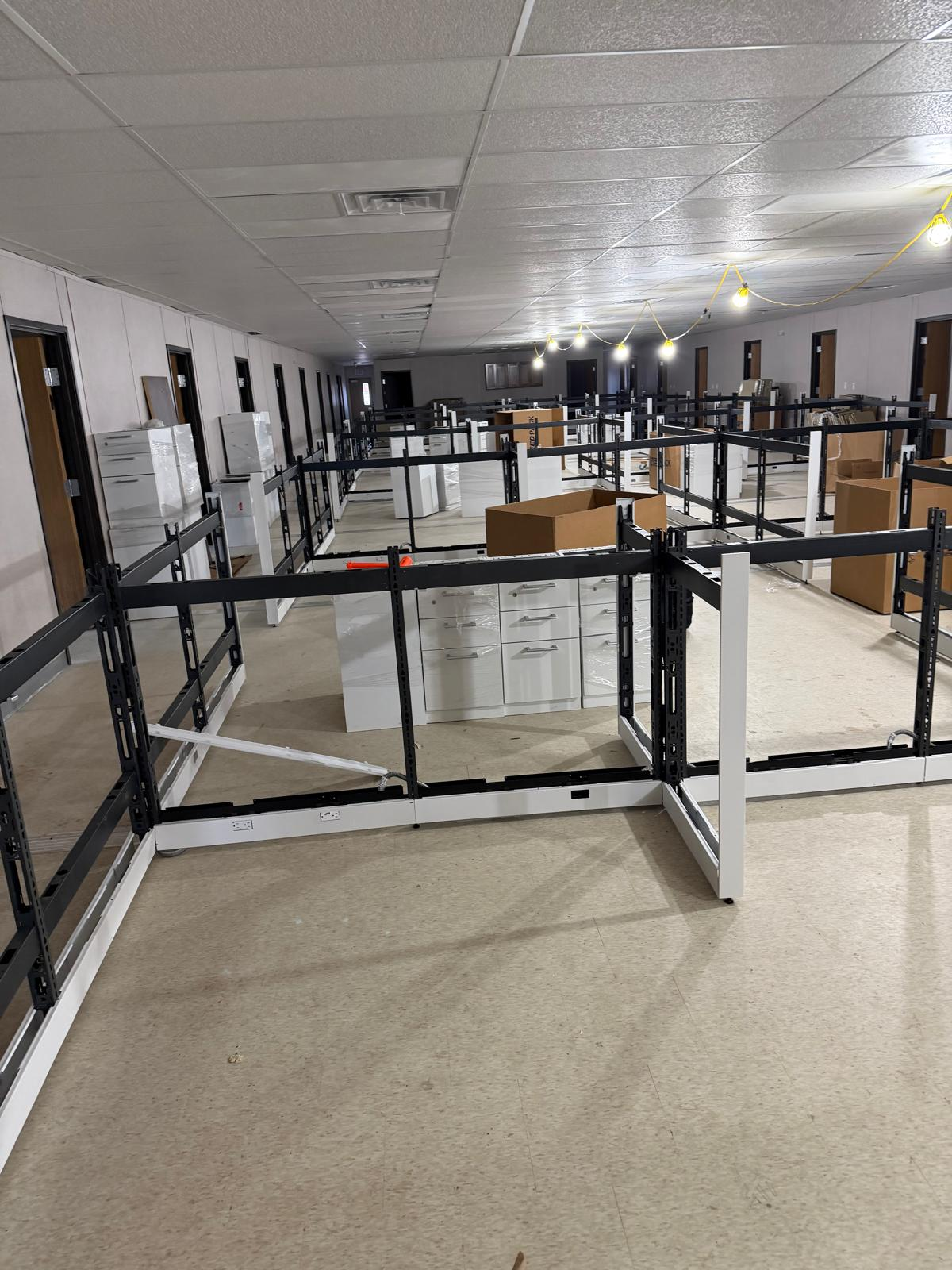
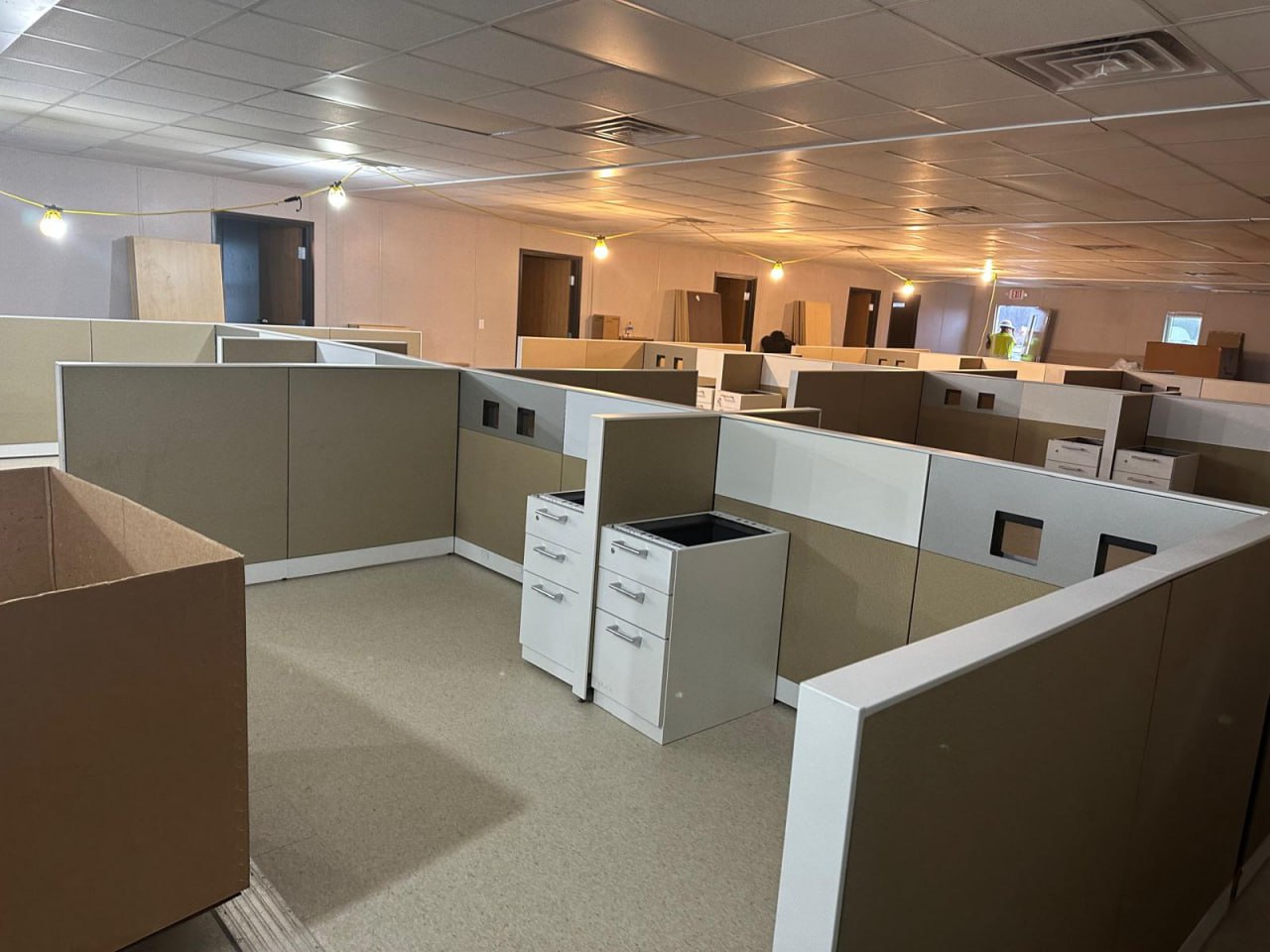
Office decommissioning is the process of preparing a workspace for the next stage after a business moves out, downsizes, closes a location or reorganizes its operations.
That may involve removing furniture, clearing approved office contents, disassembling workstations, moving equipment, coordinating storage or preparing items for another destination.
Manova Services provides office decommissioning and liquidation support for businesses throughout New Jersey. The exact work depends on the property, the items involved and the requirements established between the business and the property owner or manager.
Before work begins, we review what needs to leave the space, what will be reused and what responsibilities are included in the project.
Office Decommissioning Starts With Understanding the Space
There is no single checklist that applies to every commercial property.
One business may need furniture removed before returning the keys. Another may need workstations disassembled and transferred to a different office. Some items may go into storage, while others may be designated for removal, reuse or another approved destination.
The lease, property-management instructions and condition of the office should be reviewed before the project scope is finalized.
Our role is to help coordinate the physical work included in the agreed decommissioning plan rather than make assumptions about what the landlord requires.
Office Decommissioning Services We Can Help Coordinate
Office Furniture Removal
Furniture that will not remain in the property may need to be removed before the space is turned over.
Depending on the project, Manova Services can assist with removing approved desks, chairs, workstations, tables, storage units and other office furniture included in the scope.
Before removal begins, the client should identify which items are leaving, which are being reused and which must remain at the property.
Furniture Disassembly
Workstations, conference tables and other larger furniture may need to be disassembled before they can be removed from the space.
Disassembly can be coordinated with relocation, storage, reuse or approved removal depending on what will happen to the furniture after it leaves the office.
Asset Sorting & Project Organization
During a decommissioning project, businesses often have different plans for different items.
Furniture and approved contents may be:
- Moved to another office
- Placed into storage
- Reused within the company
- Transferred to another approved destination
- Removed from the property Identifying those categories before work begins helps prevent confusion about what should happen to each item.
Storage Coordination
Furniture or equipment that will be reused later may need temporary storage between locations or project stages.
When storage is part of the project, the items, expected duration and final destination should be identified in advance so the storage requirement can be coordinated with the decommissioning schedule.
Equipment Moving
Approved office equipment may also need to be relocated as the workspace is cleared.
Responsibilities for disconnecting, preparing, reconnecting or testing technology and specialized equipment should be established before the project begins.
Approved Removal & Disposal Coordination
Some furniture or business contents may not be moving to another location.
When removal is included in the scope, the items should be identified in advance so the appropriate next step can be determined.
Certain materials, electronics, regulated items or specialized equipment may require another qualified provider or specific disposal procedures and should be reviewed separately.
Our Office Decommissioning Process
1. Review the Property & Project
We begin by learning why the office is being decommissioned, the target completion date and what needs to happen before the space is turned over.
2. Identify What Stays and What Leaves
The client should determine which furniture, equipment and approved contents will be relocated, stored, reused, removed or left in place.
Clear decisions at this stage help reduce uncertainty later in the project.
3. Review Property Requirements
If the landlord or property manager has written move-out, contractor or turnover requirements, provide them before the scope is finalized.
Lease obligations are specific to each property and should be reviewed by the business directly rather than assumed.
4. Establish the Decommissioning Scope
The project scope should define the physical work Manova Services will perform and any responsibilities that belong to the client, property manager, IT provider or another contractor.
5. Remove, Relocate or Store Approved Items
Furniture, equipment and approved contents included in the scope are handled according to the agreed project plan.
This may involve relocation, disassembly, storage or removal depending on the destination of each item.
6. Clear the Approved Work Areas
Once designated items have been removed, the agreed areas are reviewed to identify remaining contents included in the project scope.
7. Final Review
Before the Manova portion of the project is considered complete, the agreed decommissioning work should be reviewed with the client.
Any final landlord inspection or lease-compliance determination remains subject to the property owner’s or manager’s requirements.
Decommissioning as Part of an Office Relocation
Office decommissioning and office relocation often happen at the same time.
Furniture being reused may need to be disassembled and transported to the new office. Other items may go into storage, while furniture that will not be reused may need to be removed from the original location.
Planning those stages together can help establish a clearer sequence:
- Identify what is moving
- Disassemble furniture when required
- Relocate reusable items
- Move designated items into storage
- Remove approved contents that will not remain
- Review the old workspace after the moving work is complete If Manova Services is also handling the office relocation, tell us about the decommissioning requirements during the initial planning stage.
Understanding Landlord & Property Management Requirements
Commercial leases and building requirements can vary significantly.
A property owner may have specific instructions about furniture removal, contractor access, loading areas, elevators, repairs, cleaning or the condition in which the space must be returned.
Manova Services does not determine your lease obligations.
Before requesting a final decommissioning scope, businesses should review their lease and obtain any available move-out requirements directly from the property manager or landlord.
Once those requirements are understood, we can determine which physical tasks fall within the services Manova can provide.
Furniture Liquidation & Reuse
Businesses sometimes use the word “liquidation” to describe furniture and assets that will no longer be needed after a move or office closure.
The appropriate next step depends on the furniture, condition, quantity, timeline and available options.
Some items may be reused at another company location or placed into storage. Others may be transferred, donated, recycled or removed through an appropriate provider.
Manova Services can review the physical handling and removal requirements of approved items as part of the decommissioning project.
We do not assume that every piece of used furniture has resale value, and any resale, donation or recycling arrangement should be confirmed for the specific project before it is included in the scope.
Preparing for an Office Decommissioning
Before work begins, businesses should try to identify:
- The required move-out or turnover date
- Furniture that will move to another location
- Furniture that will remain
- Furniture that needs to be disassembled
- Items that require temporary storage
- Equipment that needs to be relocated
- Items designated for approved removal
- Property-management requirements
- Elevator or loading-area restrictions
- Contractors or vendors responsible for work outside Manova’s scope
- Any final inspection date established by the landlord or property manager Having this information available early helps create a clearer decommissioning plan.
When Other Contractors May Be Required
Office decommissioning can sometimes involve work outside the scope of a commercial moving company.
Electrical work, structured cabling, plumbing, repairs, hazardous materials, specialized equipment, regulated disposal or significant construction work may require appropriately qualified contractors.
If those services are part of the property’s turnover requirements, they should be identified separately.
Manova Services can coordinate its moving, furniture and approved removal work around those other project stages when necessary.
Related Commercial Moving & Office Services
Decommissioning is often connected to other workplace services.
Manova Services also provides:
- Office Relocation
- Office Furniture Installation
- Disassembly & Reassembly
- IT & Equipment Moving
- Warehousing & Storage
- White-Glove Moving
- Short-Notice Moving Support If the office is being decommissioned as part of a relocation, tell us which related services are required so the project can be reviewed as a whole.
Office Decommissioning Services Throughout New Jersey
Manova Services is based in North Brunswick and provides office decommissioning, furniture removal and related commercial moving support for businesses in New Jersey.
Project availability depends on the property location, amount of furniture and equipment involved, services required and target completion date.
Tell us what needs to happen before the property is turned over so we can review the physical scope and determine the appropriate next step.
Frequently Asked Questions About Office Decommissioning
What does office decommissioning include?
The scope depends on the property and project.
It may include furniture removal, disassembly, moving, storage, equipment relocation and other approved tasks required to clear designated areas of the office.
Does Manova determine what our landlord requires?
No.
Businesses should review their lease and obtain specific turnover instructions from the property owner or manager. Manova Services can then review which physical tasks fall within our services.
Can you remove office furniture we no longer need?
Removal of approved office furniture may be included depending on the project.
Identify what will not be reused so those items can be reviewed before the scope is finalized.
Can furniture be moved to another office instead of removed?
Yes. Furniture that will be reused can potentially be disassembled, relocated and reassembled as part of a larger office-moving project.
Can furniture go into storage?
Storage may be available depending on the items, duration and project requirements.
Tell us which furniture will eventually be reused so the storage stage can be planned accordingly.
Do you buy or resell used office furniture?
Resale options depend on the furniture, condition, quantity and available market or providers.
Do not assume that every item has resale value. Any resale arrangement should be confirmed specifically before it is included in the project.
Do you remove data cables?
Structured cabling and related electrical or low-voltage work should be reviewed separately.
If your landlord requires cable removal, provide that requirement during project planning so we can determine whether another qualified contractor needs to be involved.
Do you guarantee that the office will pass the landlord's final inspection?
No contractor should assume a landlord's final acceptance without knowing the specific lease and property requirements.
Manova Services completes the physical work included in the agreed scope. Final acceptance of the space remains subject to the property owner's or manager's requirements.
Can decommissioning be completed with our office move?
Yes. Decommissioning can be coordinated with office relocation, furniture disassembly, equipment moving and storage when those services are included in the project.
Preparing to Leave a Commercial Space?
Tell us your target move-out date, what furniture and equipment need to leave the property and any requirements provided by your landlord or property manager.
Manova Services can review the physical decommissioning, moving and furniture services involved and help organize the next steps.